
Vegetarian Protein Sources We Actually Use 🥣🌿
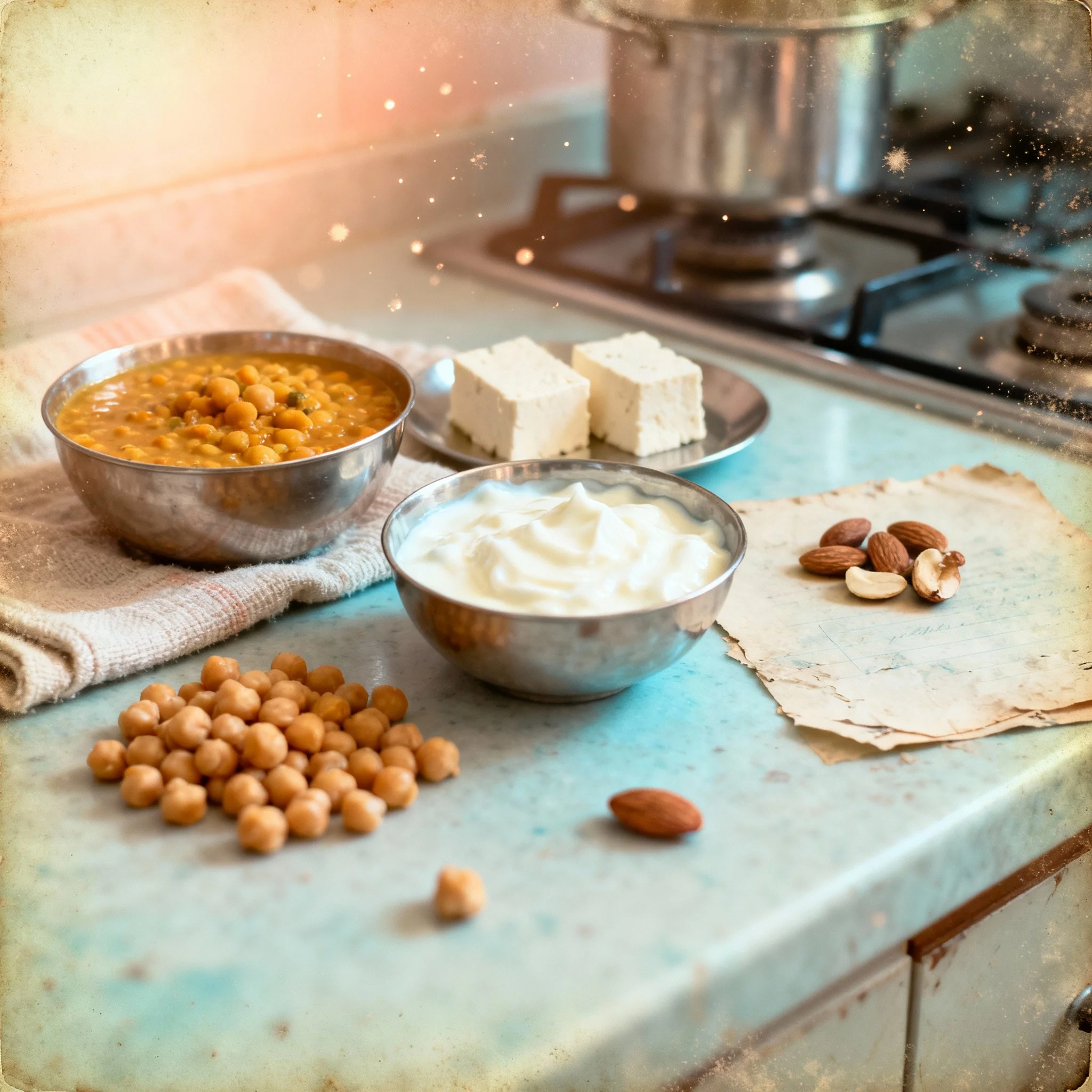
Some of the vegetarian protein sources…
Veg protein feels confusing sometimes.
People assume it’s only paneer or expensive Greek yogurt. And if you’re not eating those daily, it can feel like you’re missing something.
But honestly, veg protein is usually sitting right there in most kitchens already. Dal. Curd. Milk. Chana. Tofu. Soya. Nuts.
So this post is the simple, real-life version. No tracking app required. No turning dinner into a maths project 🙂
In this post I’m sharing the ingredients I keep coming back to, what I usually pair them with, and the few small tweaks that make a difference.
1) Dals and legumes, boring and powerful 😌
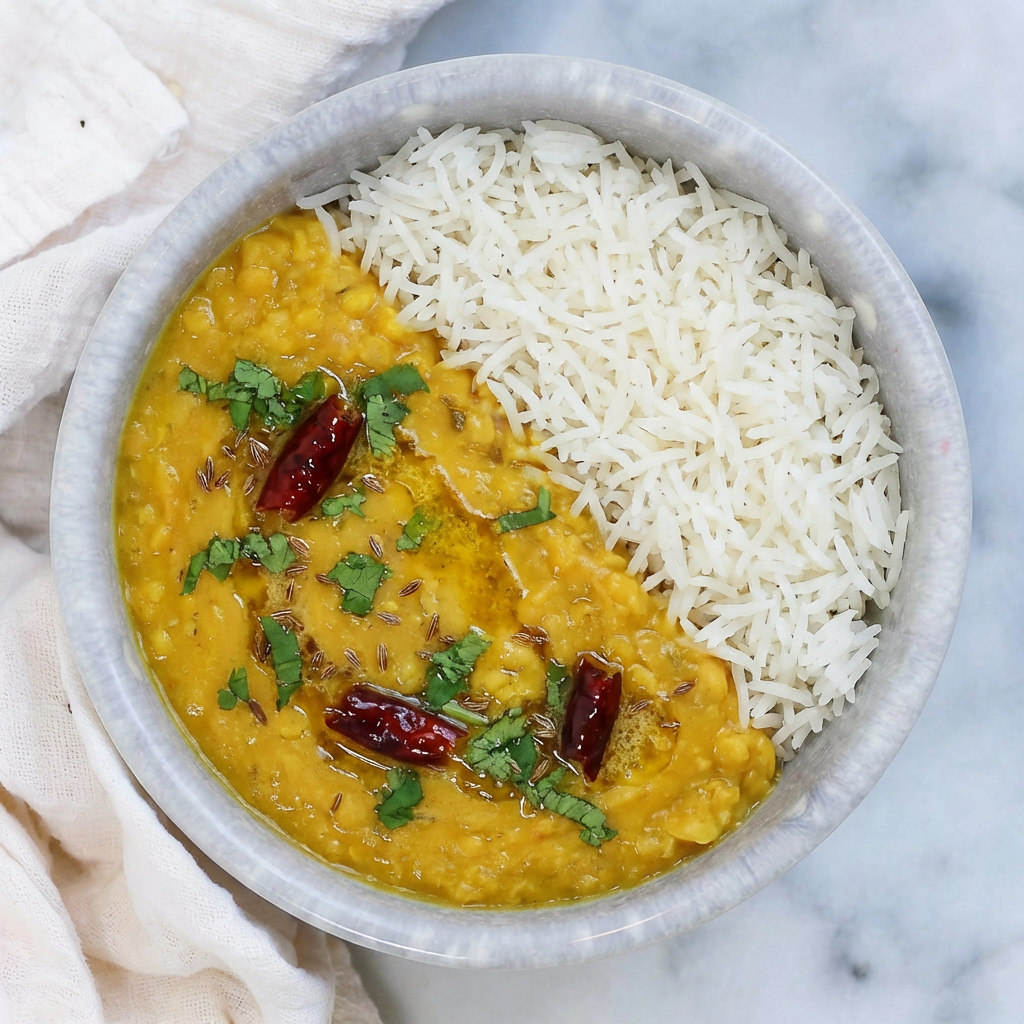
A delicious and healthy bowl of Dal and Rice.
Let’s start with the most underrated category: dals and legumes.
Toor, moong, masoor, chana, rajma, whole green gram. They all sit in a similar zone for both protein and affordability.
Rough numbers (easy version):
100g dry dal has about 22 to 24g protein
A thick bowl of cooked dal usually gives around 8 to 12g protein, depending on how much dal you actually used
What I love about dals is:
They’re usually cheap per 10g protein
You also get fibre + complex carbs, so you stay fuller for longer
They’re flexible. You can do it South Indian, North Indian, whatever your house eats
The only catch is this: a tiny katori of watery dal won’t carry your whole protein goal.
That doesn’t mean thin dal is wrong. It still counts.
It just means if you want dal to do more heavy lifting, you can do small tweaks like:
Make it a bit thicker
Take a proper bowl serving (not just two spoons)
Let dal be the main, not just a side
Chana and rajma are similar or slightly higher per bowl, and they bring a ton of fibre too. If digestion is an issue, soaking and cooking them soft usually helps.
2) Dairy protein, the quiet daily helper 🥛
Curd vs Greek yogurt
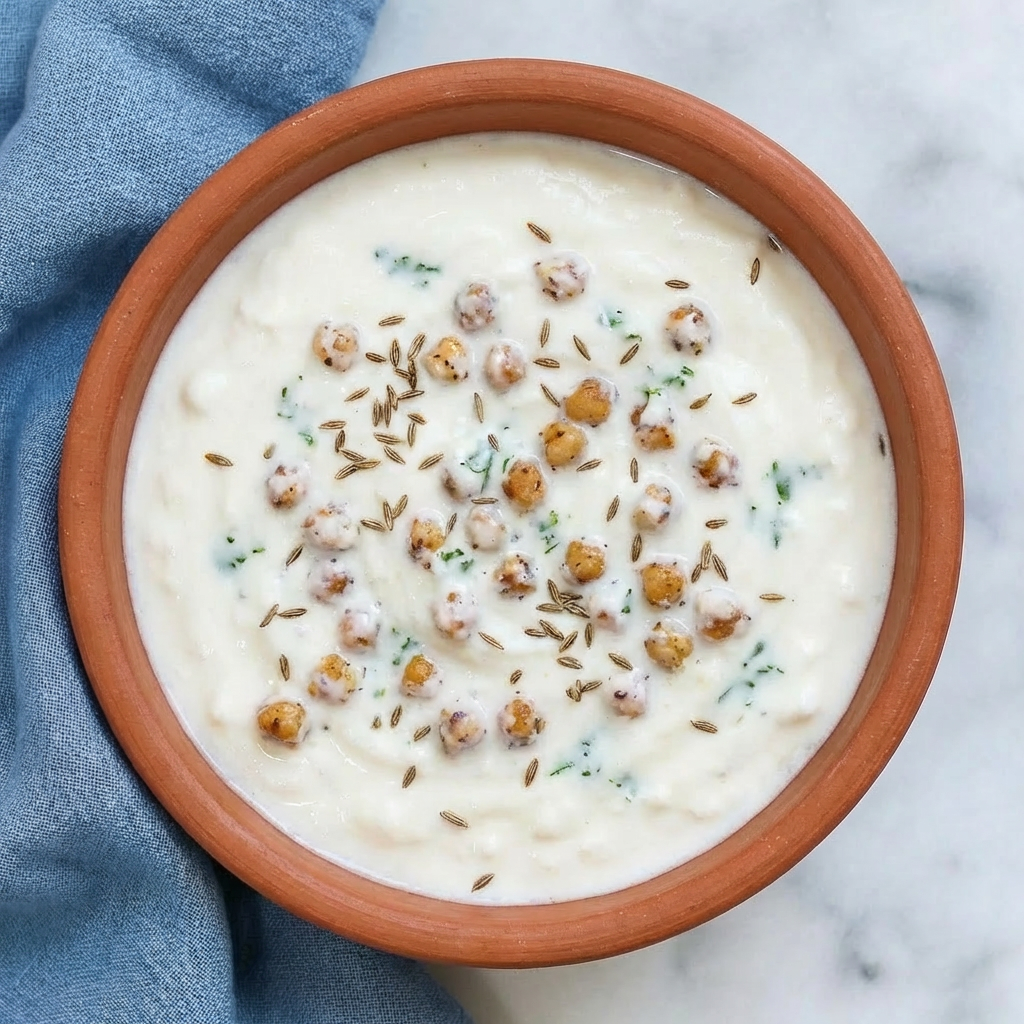
Raita with roasted chickpeas not only adds flavour but also amps up the protein content.
Curd is honestly one of the easiest ways to quietly add protein without changing your meal style.
Rough numbers:
Homemade curd: about 5g protein per 100g. A 150g bowl gives roughly 7 to 8g
Greek yogurt: about 9 to 10g protein per 100g. A 150g bowl gives roughly 13 to 15g
Greek yogurt is more concentrated, so you get more protein in the same volume. It’s also usually more expensive than dal, but you’re also paying for calcium and probiotics.
If you’re on a strict budget, regular curd is completely fine. You don’t need fancy tubs.
A nice little hack if you want more protein without changing your curd habit:
Pair curd with roasted chana or peanuts
Paneer
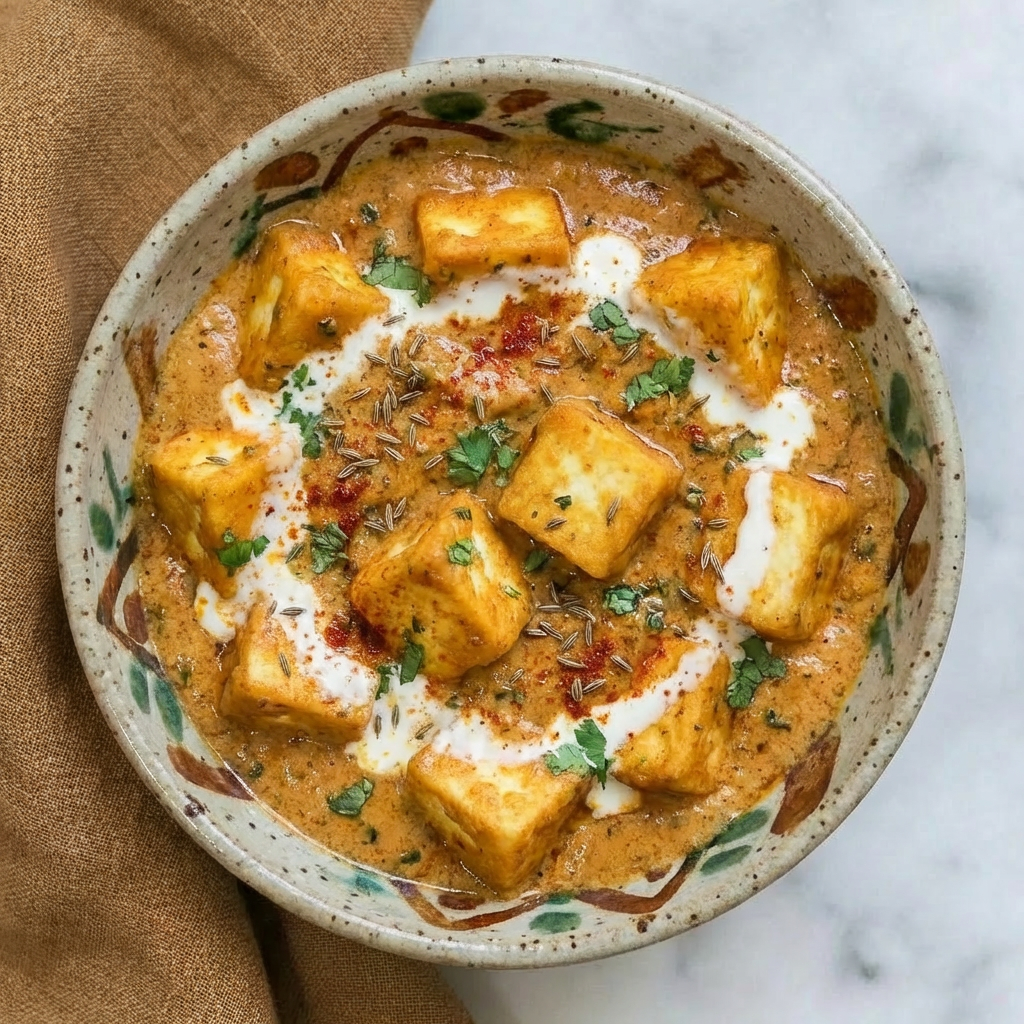
Paneer curry
Paneer is the celebrity veg protein. And to be fair, it deserves the hype.
Rough numbers:
Paneer: around 18g protein per 100g
It’s filling, high protein, and works in everything from bhurji to gravies to stuffed parathas.
A practical money note:
Homemade paneer (from milk) can be much cheaper than store bought blocks
Store bought paneer is convenient, but can get pricey fast
Also, if you’re using paneer, make it count. Five cubes sprinkled on top like decoration won’t move the needle much 😅 A proper portion will.
You don’t need paneer daily. It’s just helpful to know how to use it well when you do.
Cottage cheese (not paneer)
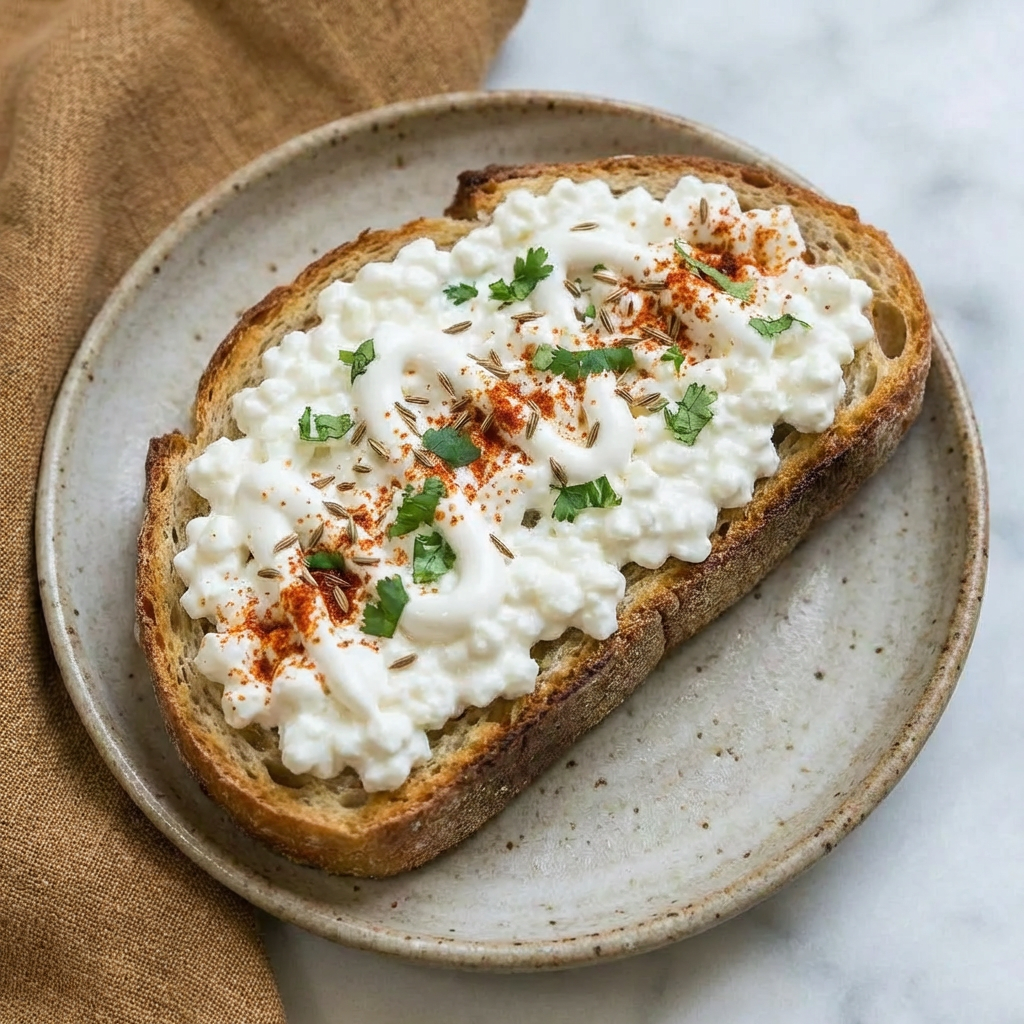
Cottage cheese toastie (not paneer)
Quick clarification because this one confuses a lot of people (especially if you grew up calling paneer “cottage cheese”).
Cottage cheese is not paneer. Cottage cheese is soft, creamy curds. Paneer is pressed, firm, and holds its shape in curries.
Protein-wise, cottage cheese usually sits around 10 to 12g per 100g (depends on the brand and fat level). It’s not as high as paneer per 100g, but it’s lighter, easy to eat, and works really well when you want a quick protein add-on.
How we use it:
On toast with chilli flakes and salt
Mixed into salads like a creamy topping
With fruit as a snack when we want something cold and easy
As a quick spread in wraps
Milk
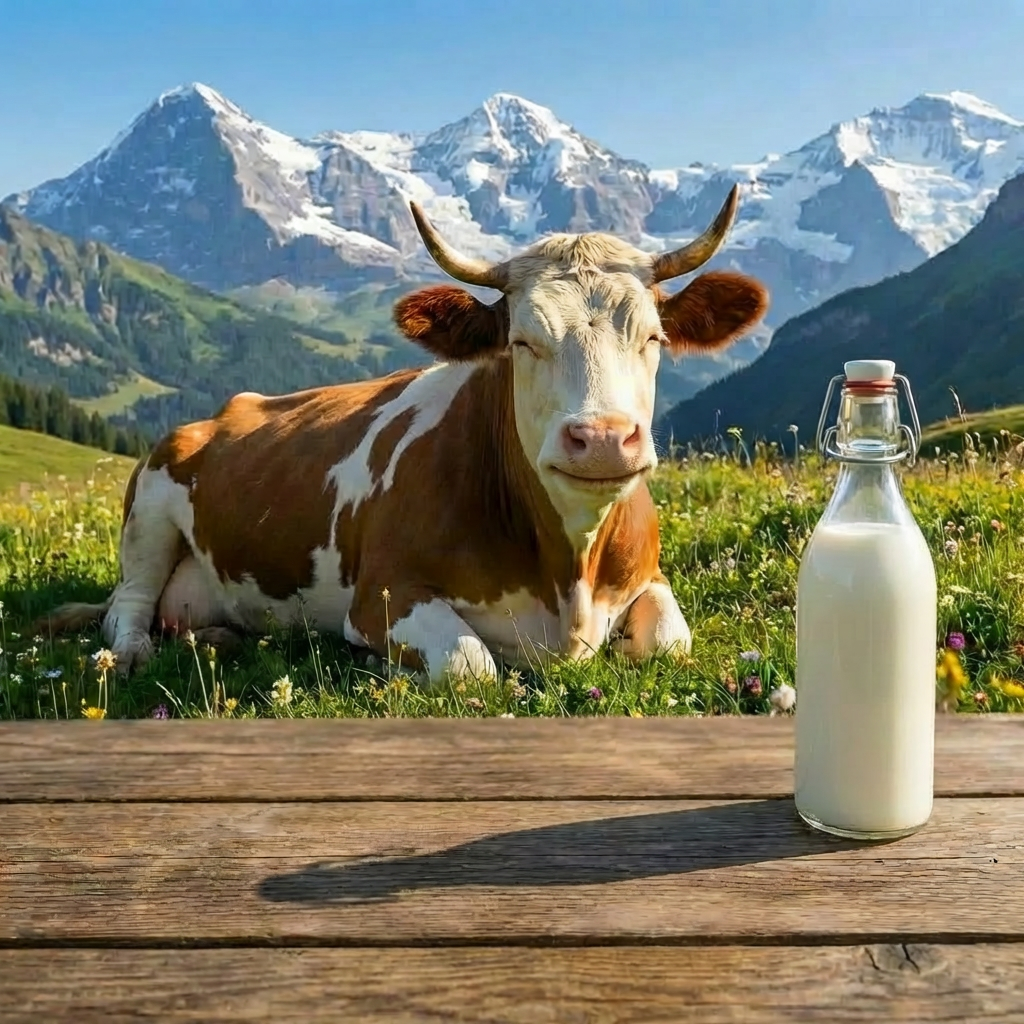
Cheers
Milk is more like background support, not your main protein source.
Rough numbers:
Milk has about 3 to 3.5g protein per 100ml
A 250ml glass gives around 8 to 9g
Most of us use milk in tea, coffee, oats, smoothies. It adds up across the week without you thinking about it.
[IMAGE PLACEHOLDER 5: Glass of milk next to oats or coffee]
Envato keywords: milk oats breakfast, coffee milk, morning routine drink
Alt text: Milk used as an easy daily protein support
3) Soy protein, the actual budget hero (tofu, soya chunks, soybeans) 👀
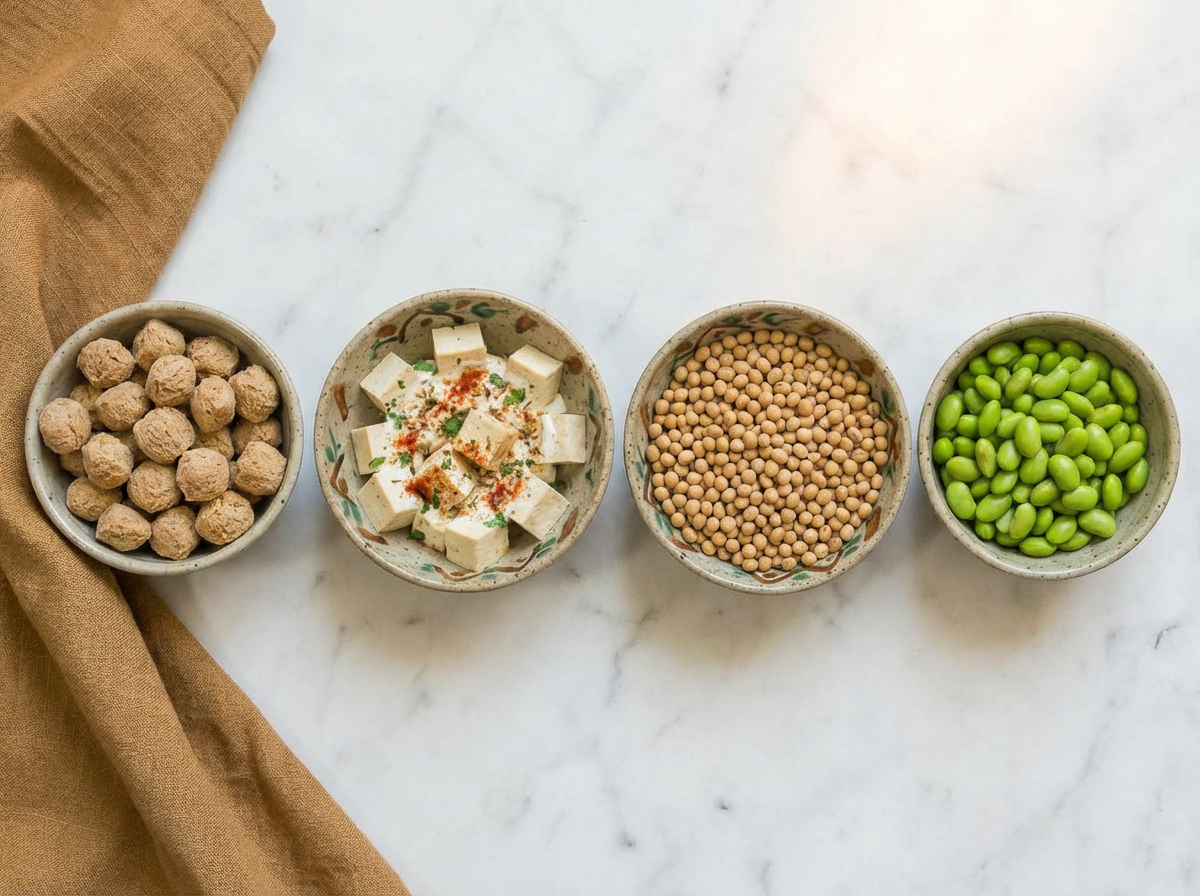
Your budget heros
Tofu
Tofu is like paneer’s quiet cousin. High protein, flexible, and if you cook it properly, it’s really good.
Rough numbers:
Firm tofu: around 12g protein per 100g
If you tried tofu once and hated it, it was probably a cooking problem. What helps is pressing it, marinating it, and letting it sit in the gravy to absorb flavour.
Soya chunks
Soya chunks are the overachiever.
Rough numbers:
Dry soya chunks can be around 50g protein per 100g
A realistic serving is about 30g dry, which becomes roughly 15 to 16g protein after soaking and cooking
From a budget point of view, soya chunks are one of the best deals on this whole list.
The flip side is taste, smell, and digestion. If you boil them and eat them like punishment, they will taste like punishment 😭
The way we like them is mixed into pulav, gravies or cutlets, not as a whole plate of only soya.
Soybeans
If you want soy in a more whole-food form, soybeans are a great option. Think of them like chana’s protein-heavy cousin.
Rough numbers: cooked soybeans usually sit around 15 to 18g protein per 100g (it varies by brand and how they’re cooked).
How we use them:
In a simple curry, the same way you’d do chana or rajma
Tossed into fried rice or a bowl meal with veggies
Added to salads when we want something filling 🥗
Tiny note: if soy doesn’t agree with your stomach, start small and see how you feel.
Edamame
Edamame is basically young soybeans. It’s one of the easiest ways to add protein without cooking a whole curry.
Rough numbers: edamame is usually in a similar zone, around 11 to 13g protein per 100g.
How we use it:
Quick snack with salt and chilli powder 😋
Mixed into salads or noodle bowls
Added to fried rice for an easy protein boost
4) Nuts and seeds, snacky boosters 🥜✨
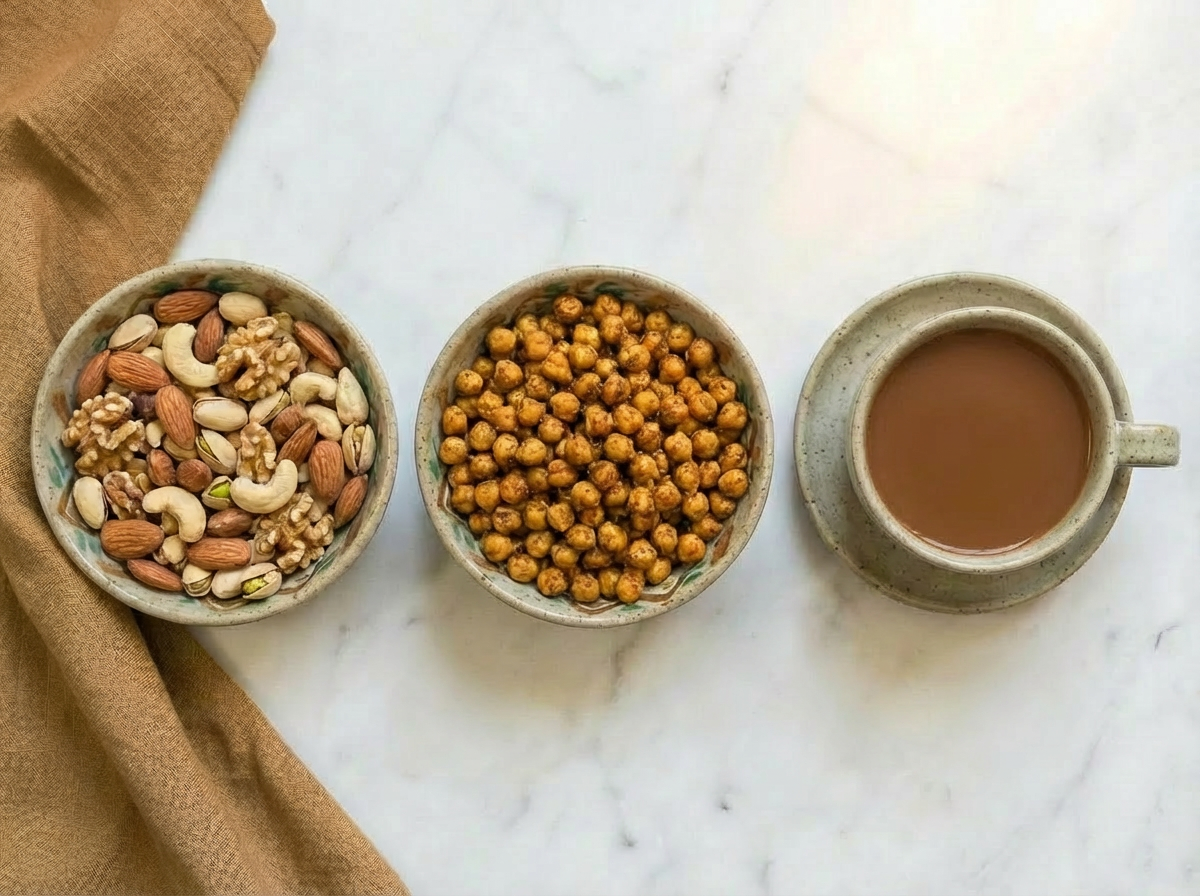
Nuts and seeds are not the cheapest way to get protein, and they’re calorie dense, but they are amazing as boosters.
Peanuts and roasted chana
Rough numbers:
Peanuts: about 25g protein per 100g. A 30g handful gives roughly 7 to 8g
Roasted chana: about 20g protein per 100g. A 30g portion gives about 6g
Easy ways to use them:
Roasted chana with tea
Peanuts sprinkled over salad or curd
Roasted peanut chutney with dosa or idli
Just watch portions because calories add up quickly.
Almonds and mixed seeds
These are more nice extras.
Almonds have decent protein per 100g, but no one is eating 100g almonds casually. A realistic portion gives only about 2 to 3g protein.
Seeds are similar. Great for micronutrients and texture, but not your main protein strategy.
Budget heroes vs nice extras 💸
If you want the quick cheat-sheet:
Budget heroes:
Dals and legumes
Soya chunks
Regular curd
Peanuts, roasted chana
Solid middle ground:
Milk
Tofu
Homemade paneer
Nice extras:
Greek yogurt
Cottage cheese (not paneer)
Store bought paneer
Almonds, mixed seeds
A simple veg pattern that works in real life 🍲
If you want a low-effort template, here’s one that fits most weeks:
Dal based meal 5 times
Milk and curd most days
Paneer or tofu in 2 meals
Soya chunks once
Peanuts or roasted chana snack a few days
You’ll still get background protein from rice, roti, veggies, milk in tea and coffee, and everything else.
So the goal is not perfection. The goal is a simple routine that fits your family, your taste, and your budget 🤍
Small note
This post is general education only and not medical advice.
Soft plug
If you want done-for-you meal structure, our 28-day meal plan ebooks are built around repeatable home meals with recipes and a system that makes everyday cooking easier.
