
Non-Veg Protein Sources We Actually Use 🍗🥚🐟
If you eat non-veg, you’ve probably heard someone say:
“Just have eggs and chicken.”
And umm… yes 😅 That’s the simplest answer.
But when you’re actually doing groceries, it turns into a very different set of questions.
Like: Which cut is worth it? Is fish wildly expensive this week? Do we want something quick or something that feels like a proper sit-down meal? And also, err… what’s the damage to the wallet.
So this post is basically how we think about non-veg protein at home. No strict rules, no diet-plan energy. Just a practical guide that helps you shop and plan without overthinking.
Prices are Sydney-ish, so take the numbers as a guide. What’s “cheap” and “expensive” changes a lot by city, and honestly even by week depending on what’s on special 😅
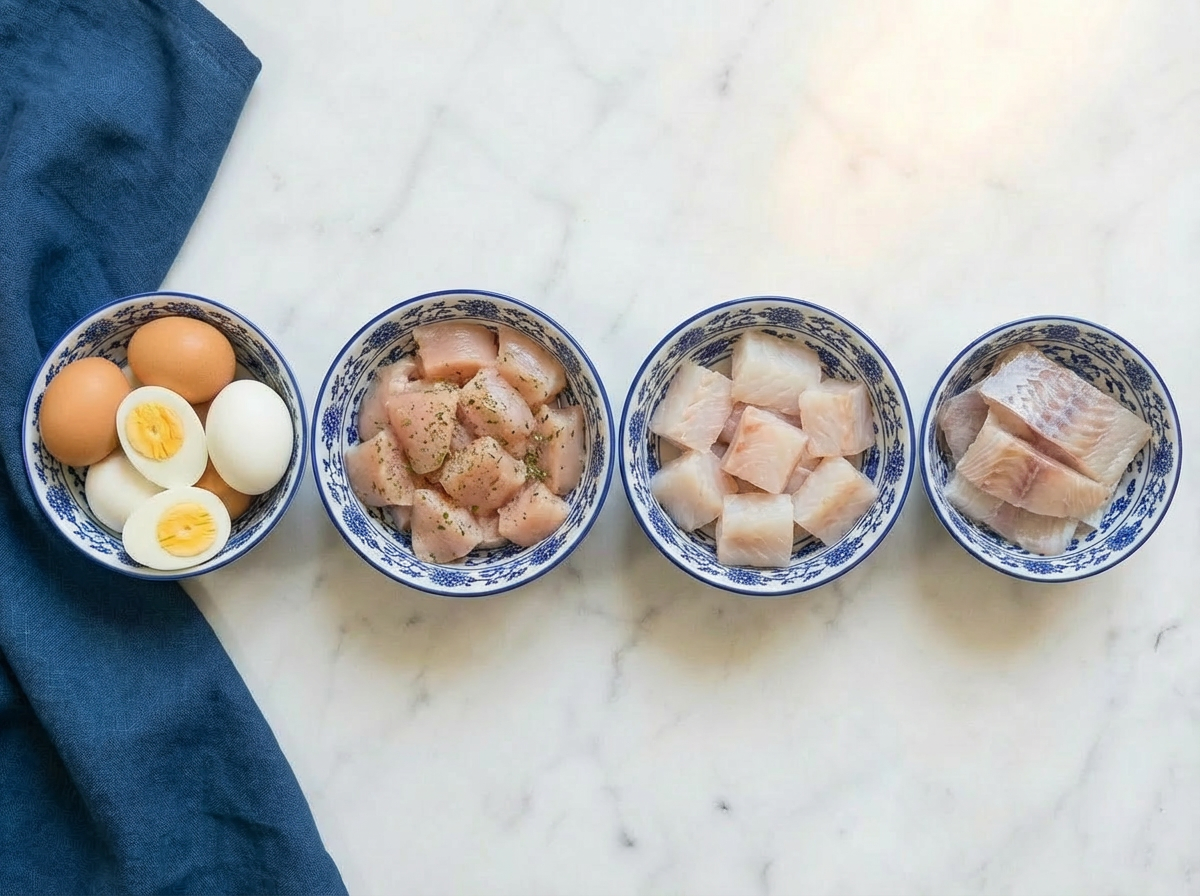
[IMAGE PLACEHOLDER 1: Flatlay of eggs, chicken cuts, fish fillet]
Envato keywords: eggs chicken fish flatlay, protein foods kitchen, meal prep ingredients
Alt text: Eggs, chicken and fish as common non-veg proteins
The way we plan it: basics + treats 💸
Okay, this is our lazy mental shortcut.
When we’re planning a normal week, we usually think in two buckets.
Basics (easy, repeatable, usually better value):
Eggs
Chicken curry cuts like thighs and breast
Chicken/Turkey mince
Seafood
Treat meals (still great, just usually pricier or more “weekend mood”):
Salmon
Prawns
Pomfret, kingfish (often)
Mutton or lamb
This doesn’t mean you can’t eat salmon on a Tuesday. You can do whatever you want 😄 It just helps you plan so your grocery shop doesn’t feel like a surprise every single time.
[IMAGE PLACEHOLDER 2: Grocery basket with eggs and chicken]
Envato keywords: grocery basket eggs chicken, supermarket protein shopping
Alt text: Grocery shopping basics like eggs and chicken
1) Eggs are the easiest win 🥚
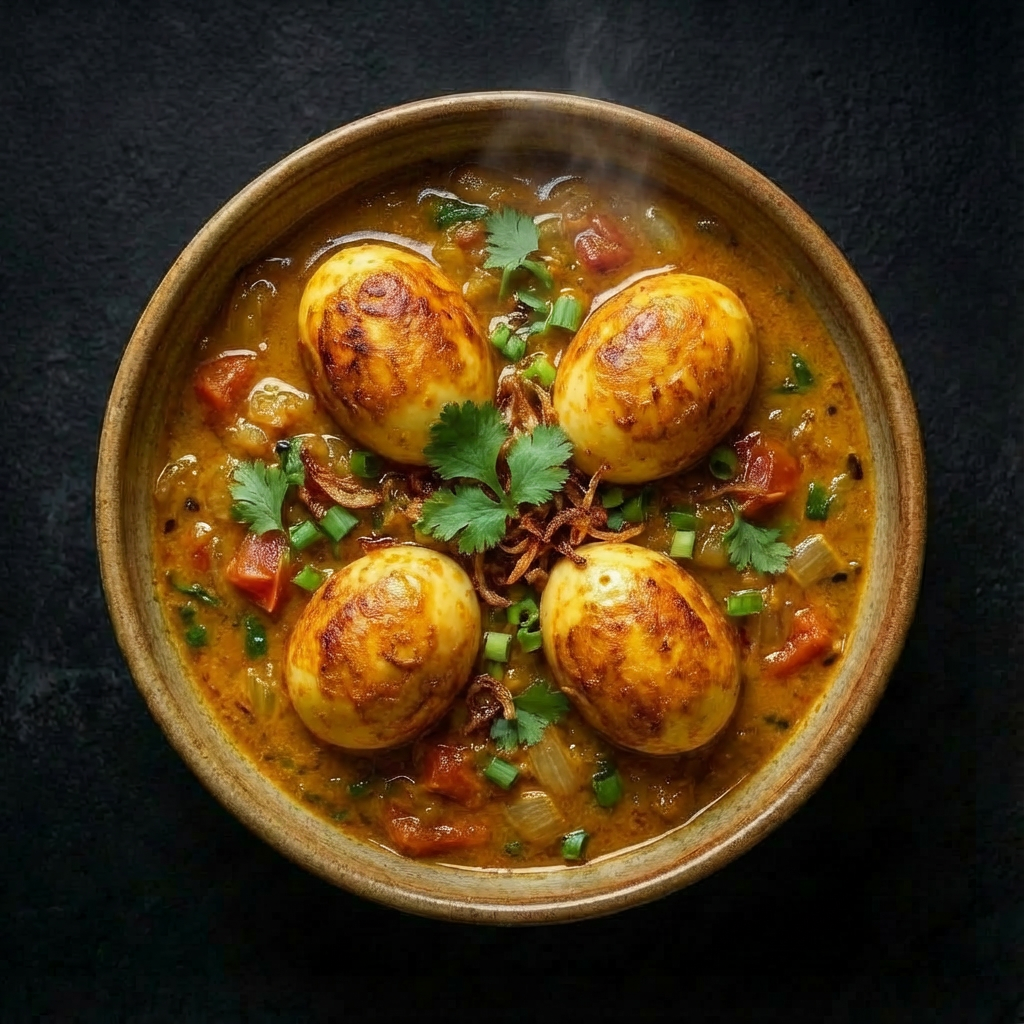
Eggs are one of those foods that make you feel like you’re doing something right with very little effort.
Roughly:
1 egg is about 6 to 7g protein
2 eggs is about 12 to 14g
But what matters more is how easy they are to fit into normal life.
Some days it’s a proper egg curry. Some days it’s just two boiled eggs on the side because you’ve made dal chawal and you want the meal to feel more filling.
Ways we end up using eggs most often:
omelette when we want fast
bhurji when we want comfort
boiled eggs when we want zero effort
shakshuka/egg curry when we have a bit more time
Also, because this comes up a lot: please don’t fear the yolk. Unless your doctor has told you otherwise, you can just eat the egg like a normal person 😄
2) Chicken, but which cut should you actually buy? 🍗
Chicken is where people get stuck because there are too many options and the prices jump around.
Here’s how we keep it simple.
Curry cuts: thighs and drumsticks
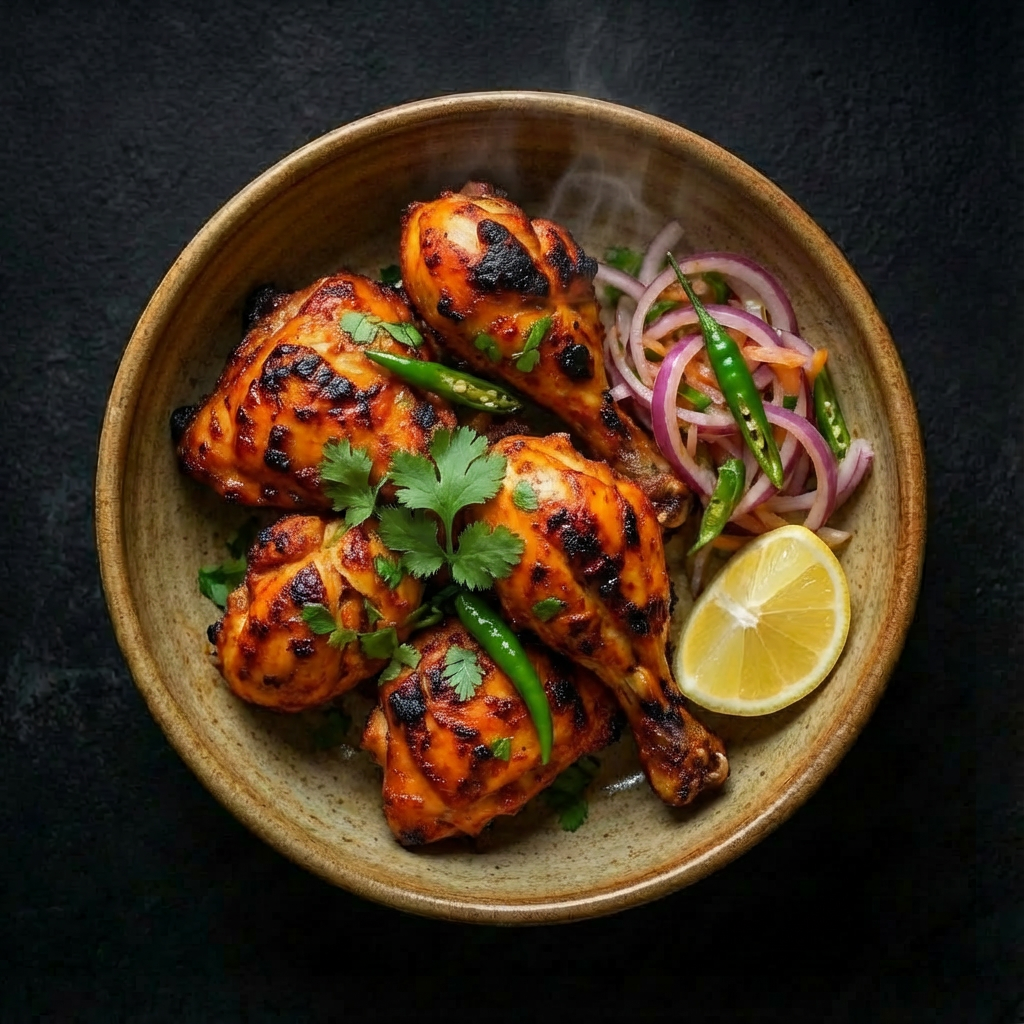
If we’re cooking curry-style chicken, we almost always reach for thighs (skinless as much as possible). It’s the no-stress choice.
Cooked chicken meat is roughly 25g protein per 100g.
So a normal curry portion usually lands around that 25g-ish zone depending on how much meat you’re actually eating.
Why curry cuts are such a win:
they taste better
they stay juicy
family packs are often cheaper per kilo
If you’re budget-conscious and you want your chicken to still taste like chicken, drumsticks can do the job.
Chicken breast
Chicken breast is lean and high protein.
Roughly:
about 30g protein per 100g cooked
But err… it’s not automatically the best choice.
Breast is usually more expensive, and it can go dry really fast if you blink at the stove for too long.
We use breast when:
we want a lean meal
we’re doing wraps, salads, bowls
we’ve actually marinated it properly (otherwise it’s sad)
If you love chicken breast, keep it. If you’re trying to stretch the budget, curry cuts can feel more satisfying for the money.
Chicken mince
Chicken mince is what we buy when we want life to be easier.
Roughly:
about 25g protein per 100g cooked
The value is convenience. You can do:
keema, kofta, patties
pasta sauce
wraps
You pay a small premium for it being pre-minced, but it’s honestly worth it if batch cooking keeps you consistent.
Turkey (only if it’s common where you live)
If you’re in Australia, the US, or Europe, turkey mince and turkey breast are common.
Think of it like chicken breast’s cousin:
about 28 to 29g protein per 100g cooked
If you already buy it, great option. If you’re in India, you can ignore this and move on.
3) Seafood, without making it a whole research project 🐟
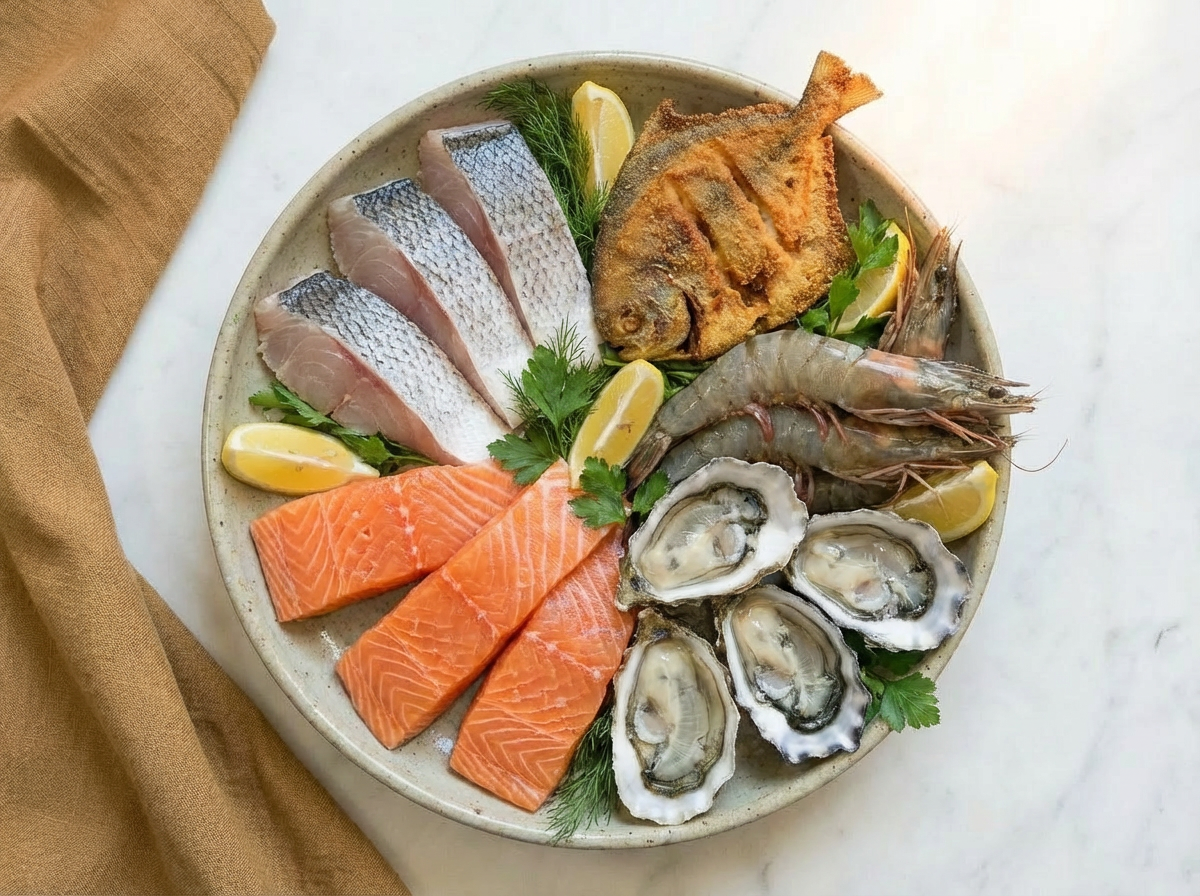
Seafood is amazing… and also the category where prices swing wildly depending on where you live.
So instead of listing every fish under the sun, here are a few buckets that actually help.
Small oily fish (sardines, mackerel)
These are such good value when you can get them.
Roughly:
around 20 to 22g protein per 100g cooked
They’re also big on omega 3, vitamin D and minerals.
If your family eats fish, even one or two meals a week with small local fish can add a lot.
Mild white fish (barramundi, snapper)
These are the “weekday fish” for us.
Roughly:
usually around 20 to 26g protein per 100g cooked
Not very fishy, easy for fry or curry, and price tends to sit in the middle.
Salmon
Salmon is great nutritionally, but it’s not usually the budget pick.
Roughly:
around 22 to 24g protein per 100g cooked
So we treat salmon as a taste and omega 3 upgrade.
If it fits your budget, enjoy it. If it doesn’t, small oily fish is still a solid choice.
Prawns, pomfret, kingfish
These are the “special meal” crew.
Protein is still strong.
Roughly:
prawns are around 22 to 25g protein per 100g cooked
But they’re usually priced higher per kilo, so we don’t treat them as everyday cheap protein.
Shellfish (oysters, mussels, crab)
Very micronutrient dense and very location-specific.
If you love shellfish and it fits your budget, amazing.
If you don’t, you’re not missing some secret protein club. You’re fine 😅
4) Mutton, lamb, and organ meats 🥘
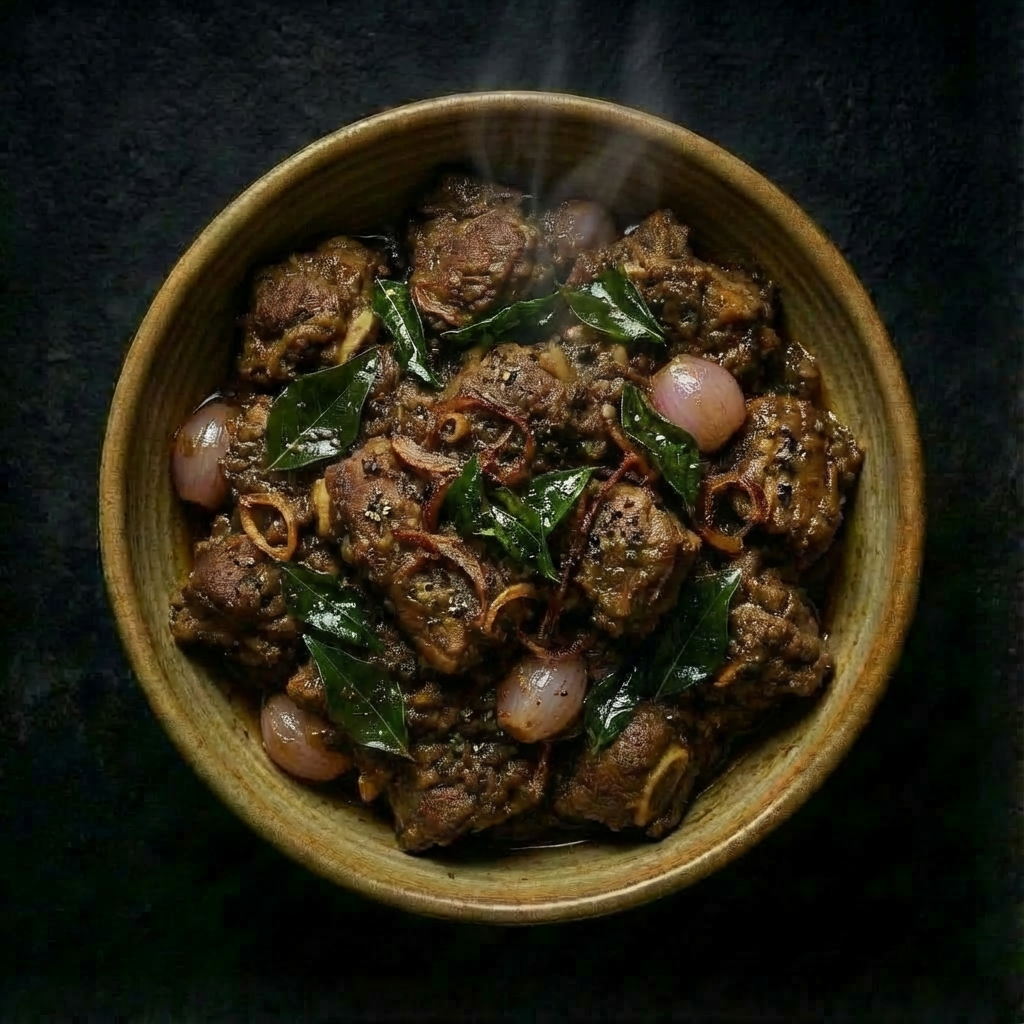
Mutton (goat) or lamb
In a lot of Indian homes, mutton is the meal you plan the whole day around.
Back home, mutton usually means goat. In Australia, most supermarket “mutton” is lamb.
Roughly:
around 25 to 27g protein per 100g cooked
It’s also generally higher fat than chicken, and price per kilo is usually higher.
So we treat it like a weekend meal. Not because it’s bad, just because it’s not the cheapest daily workhorse.
Chicken liver
This one is underrated and very “depends where you buy it”.
It can be quite cheap per kilo, and it’s rich in iron and vitamins.
But it’s strong in flavour, so it’s better as an occasional add-on, not something you force into meal prep every second day.
If you love it, amazing.
If you don’t, you really don’t have to force it.
A normal week example (no spreadsheet required) 📅
This isn’t a plan you must follow. It’s just to show how the pieces can fit together in a way that feels normal.
A realistic week could look like:
2 eggs for breakfast, 4 days
chicken in 2-3 meals
seafood in 2-3 meals
mutton once (optional)
That alone covers a lot.
And then your everyday veg foods like dal, curd, paneer, tofu, chana and peanuts quietly add more protein on top.
So the goal isn’t to maximise protein.
The goal is to make meals feel satisfying and repeatable.
Quick Reference Table
| Protein source | Rough protein (per serving) | Rough protein (per 100g cooked) | Price vibe (Sydney) | Notes |
|---|---|---|---|---|
| Eggs (2) | 12–14g | N/A | $ | Budget hero. B12, choline. Easy add-on with any meal. |
| Chicken thighs/drumsticks (curry cuts) | ~25g (normal curry portion) | ~25g | $ | Juicy, satisfying. Often better value per kilo than breast. |
| Chicken breast | Depends on portion | 30–31g | $$ | Lean, high protein. Can dry out. Great for wraps, bowls, salads. |
| Chicken mince | Depends on portion | ~25g | $$ | Convenience protein. Great for keema, patties, pasta sauce, wraps. |
| Turkey breast/mince | Depends on portion | 28–29g | $$–$$$ | Lean like chicken breast. Common in Aus/US/EU. |
| Small oily fish (sardines/mackerel) | Depends on portion | 20–22g | $–$$ | Omega-3, vitamin D, minerals. Strong value where it’s cheap. |
| White fish (barramundi/snapper) | Depends on portion | 20–26g | $$ | Mild, works for fry or curry. Good weekday fish. |
| Salmon | Depends on portion | 22–24g | $$$ | Omega-3 heavy. Great nutrition, wild-caught is pricey. |
| Prawns | Depends on portion | 22–25g | $$$ | High protein, quick cook. Easy to add in noodles, pasta. |
| Pomfret/kingfish | Depends on portion | ~20–22g | $$–$$$ | Similar protein to other fish. Often weekend special depending on market. |
| Shellfish (oysters/mussels/crab) | Depends on portion | 18–23g | $$$ | Micronutrient dense (zinc, selenium, B12). Location/price dependent. |
| Mutton (goat) / Lamb | Depends on portion | 25–27g | $$$ | Iron, B12. Higher fat. |
| Chicken liver | ~19–26g (75–100g cooked) | 25–26g | $ | Iron + vitamins. Strong flavour. Best occasionally, not daily. |
Small note
This post is general education only and not medical advice.
Soft plug (optional)
If you want done-for-you meal structure, our 28-day meal plan ebooks are built around repeatable home meals with recipes and a system that makes everyday cooking easier.
Prefer video? 🎥
We also have a YouTube video on this topic.
